Loan Track Ventures
Smart Havens Africa
Uganda
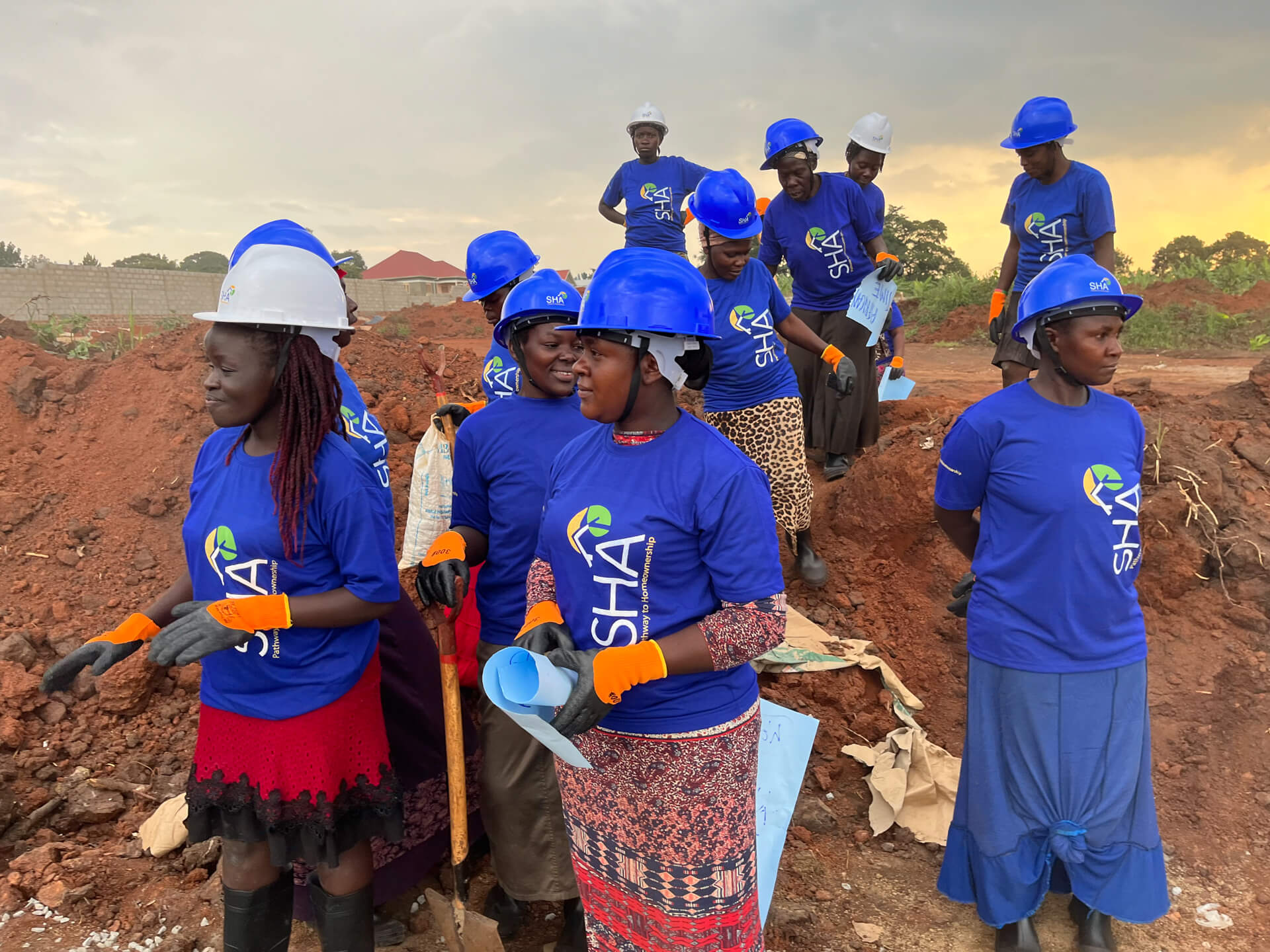
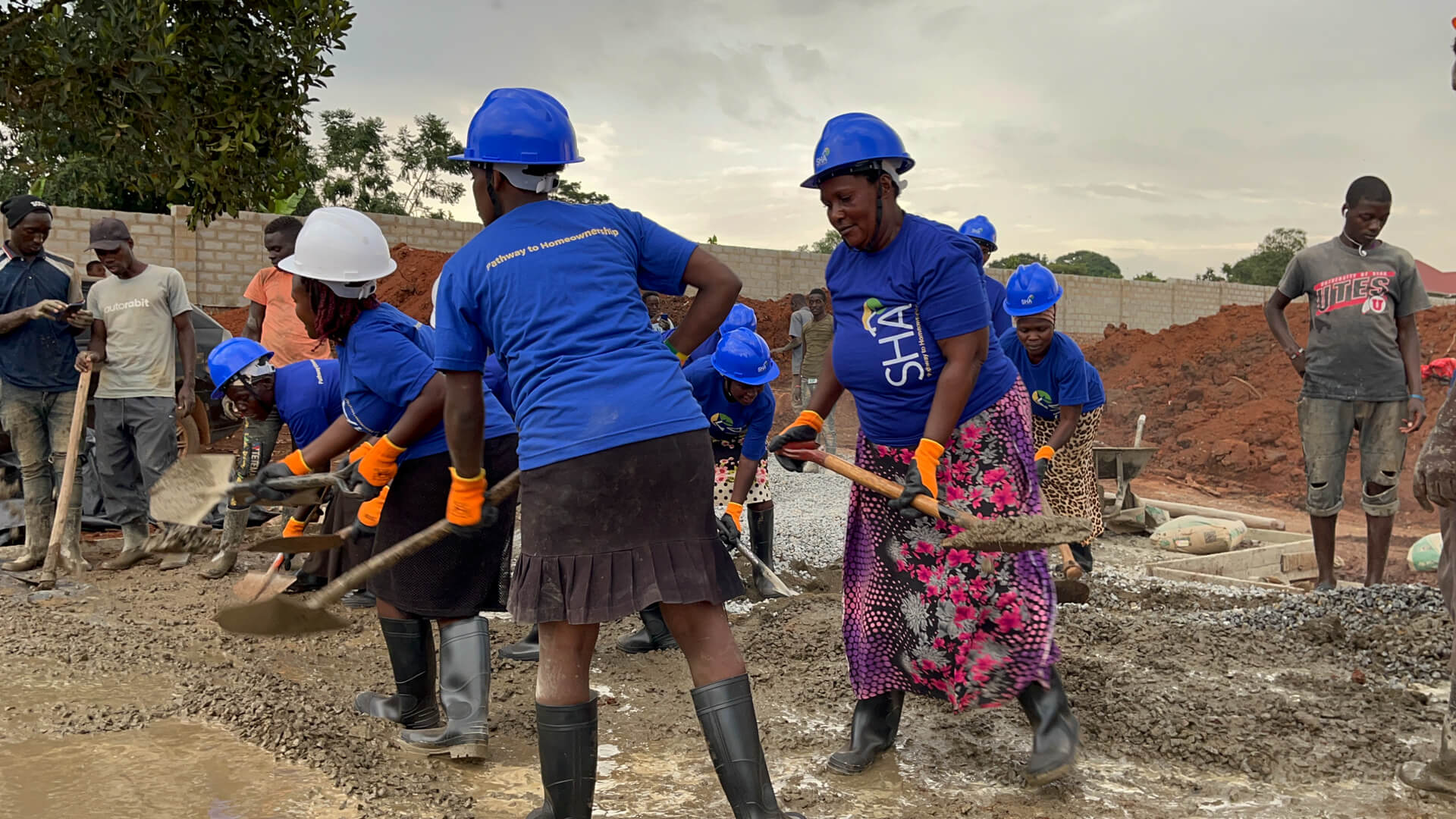
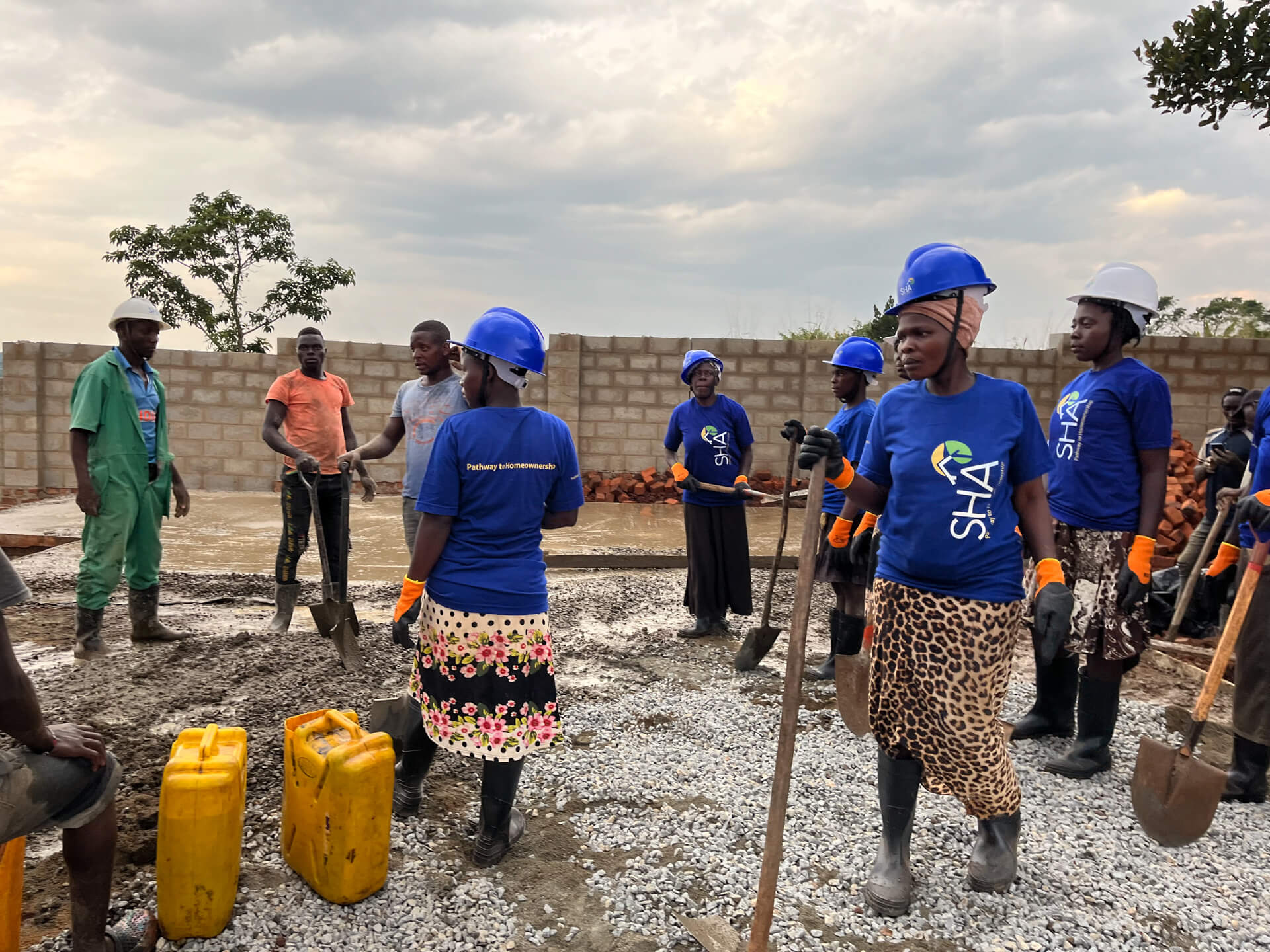
Smart Havens Africa (SHA) is a social enterprise, founded and headed by Anne Rweyora, focused on focused on delivering climate-smart, affordable housing and accessible pathways to homeownership for low-income families in Uganda, particularly women-headed households who face significant barriers to secure housing and traditional housing finance. SHA combines affordability with climate resilience, developing environmentally sustainable homes designed to improve living conditions while reducing households’ vulnerability to environmental and climate-related pressures. Its model goes beyond housing construction, using climate-smart homeownership as a pathway to economic resilience through job creation, financial literacy and women’s economic empowerment. In a context where 70% of women-headed families live in informal settlements and only 1% of Uganda’s population has access to housing finance, SHA addresses the interconnected challenges of housing poverty, climate vulnerability and financial exclusion, enabling underserved families to build more secure, resilient livelihoods and long-term assets.
Through RAMA Impact’s support from 2024 to 2029, Smart Havens Africa is scaling access to climate-smart affordable homeownership for low-income families, particularly women-headed households. Building on results already achieved through RAMA Impact’s first phase of support – including a 53% increase in land and home equity ownership among low-income women, a 14% increase in female workforce participation and significant water, energy and embodied-carbon savings – the next phase aims to unlock an initial 15 climate-smart affordable homes through an innovative housing-finance model, while creating a pathway to mobilise additional financing and reach significantly more families as the model scales. SHAfrica also targets 8-15% annual revenue growth over the next three years.
Progress Toward Key Milestones
Financial Growth | Phase 1: 2024-2026
5%
9%
13%
Impact Achieved | Phase 1: 2024-2026
Increased land and home equity ownership among low-income women by 10%.
Offered training sessions to 90 women around Homeownership Awareness, Property Management and Financial Literacy.
Increased Female Workforce Participation by 4.5%.
Increased land and home equity ownership among low-income women by 16%.
Offered training sessions to 180 women around Homeownership Awareness, Property Management and Financial Literacy.
Increased Female Workforce Participation by 9%.
Increased land and home equity ownership among low-income women by 53%.
Offered training sessions to 270 women around Homeownership Awareness, Property Management and Financial Literacy.
Increased Female Workforce Participation by 14%.
Achieved IFC EDGE Certification by achieving savings of 27% in Water usage, 45% in Energy consumption and 71% in embodied carbon in building materials.
Financial Growth to Date | Phase 2: 2026-2029
8%
16%
36%
Impact Achieved to Date | Phase 2: 2026-2029
Enable 5 Climate-Smart Affordable Homes through the housing-finance model.
Deliver 4 Training Sessions for women on Homeownership Awareness, Property Management and Financial Literacy.
Increase Female Workforce Participation by 3%.
Achieve at least 10% savings in Water Usage, Energy Consumption and Embodied Carbon in Building Materials.
Reduce CO₂ Emissions by an estimated 10% compared with conventional affordable housing developments.
Enable 10 Climate-Smart Affordable Homes through the housing-finance model.
Deliver 8 Training Sessions for women on Homeownership Awareness, Property Management and Financial Literacy.
Increase Female Workforce Participation by 7%.
Achieve at least 15% savings in Water Usage, Energy Consumption and Embodied Carbon in Building Materials.
Reduce CO₂ Emissions by an estimated 15% compared with conventional affordable housing developments.
Enable at least 15 Climate-Smart Affordable Homes, with the model positioned to reach additional families as it scales.
Deliver 12 Training Sessions for women on Homeownership Awareness, Property Management and Financial Literacy.
Increase Female Workforce Participation by 10%.
Achieve at least 20% savings in Water Usage, Energy Consumption and Embodied Carbon in Building Materials.
Reduce CO₂ Emissions by an estimated 20% compared with conventional affordable housing developments.
Gallery