Pre-Loan Track Ventures

Tuwe Bora Limited
Kenya
Read More
Tuwe Bora Limited, founded by Linda Sigilai, is a Kenyan social enterprise using fashion as a tool for environmental and social change. At the heart of its mission is a commitment to sustainable production and textile waste reduction through circular economy practices. By transforming industrial waste and discarded fabrics into high-quality garments, Tuwe Bora addresses the environmental toll of fast fashion while creating meaningful livelihoods. The enterprise provides vocational training and entrepreneurship support to formerly incarcerated women and unemployed youth, equipping them with the skills and opportunities to launch their own ventures or secure dignified employment, having already supported hundreds of individuals on their path to economic independence. Through its blend of ethical fashion, waste management and community empowerment, Tuwe Bora is stitching together a more inclusive, regenerative future.
Tuwe Bora will use RAMA Impact’s support to scale its impact by up-cycling 2 tonnes of industrial and textile waste (preventing approximately 7 metric tons of CO₂ equivalent emissions), empowering economically an additional 120 women and youth, increasing its revenue by 20% and securing at least 10% of its fundraising goal over a period of 12 months.
Zuasoko Global Limited
Kenya
Read More
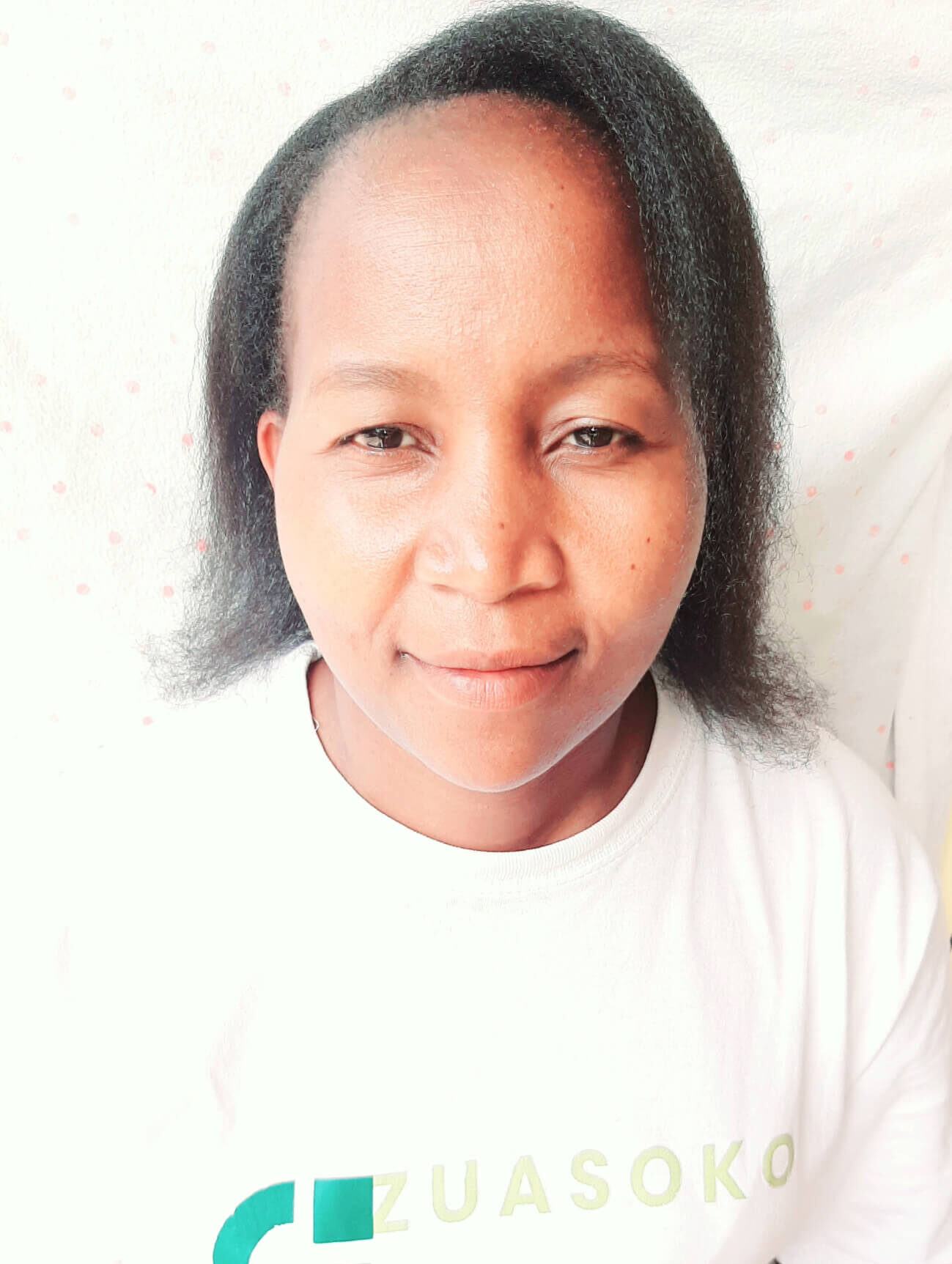
Zuasoko Global Limited, co-founded by Sarah Kamakia, is a tech-enabled social enterprise tackling market inefficiencies, post-harvest losses and unfair pricing structures for smallholder farmers in Kenya. Through a hybrid marketplace model combining digital platforms with physical retail points, Zuasoko connects rural producers to reliable, fair, and traceable markets – enhancing farmer incomes and reducing waste. The platform leverages AI-driven market insights, blockchain-powered traceability, and smart logistics to optimize supply chains. In parallel, Zuasoko is developing embedded fintech services, enabling smallholder farmers to access digital payments and micro-financing solutions that reduce reliance on exploitative intermediaries. Zuasoko’s holistic approach is designed to strengthen local food systems, empower rural communities, and build a more equitable agricultural economy across Kenya.
With RAMA Impact’s support, Zuasoko will scale its farmer network by at least 20%, fully deploy the Zuasoko mobile application, expand its network of retail points by at least 20%, increase overall revenue and consumer growth by at least 20%, reach at least 10% of its fundraising target and diversify into agricultural inputs and animal feed distribution over a period of 12 months.

Nyota Limited
Kenya
Read More
Nyota Limited, founded by Florence Mogere, is a Kenyan social enterprise fighting food insecurity, post-harvest losses, and market exclusion for smallholder farmers. Sourcing from over 500 farmers, 85% of whom are women, the company processes fresh produce into frozen vegetables, precooked legumes, and canned specialty sauces under the _Frozen Isle_ and _Ntamu_ brands. By providing fair pricing, stable off-take agreements, and agricultural training, Nyota Limited increases rural incomes while supplying nutritious, ready-to-use food products to Kenya’s growing urban population. The business is positioned for growth in Kenya’s food industry, particularly the fresh and frozen vegetable sector, is experiencing significant growth due to increasing health consciousness among consumers and rising demand for nutritious, convenient food products.
With RAMA Impact’s support, Nyota Limited will scale its farmer network by at least 10%, expand its network of retail points by at least 20%, increase overall revenue and consumer growth by at least 20%, reach at least 10% of its fundraising target and generate a 10% increase in job creation, over a period of 12 months.
Tuwe Bora
Kenya
Read More
Tuwe Bora Limited, founded by Linda Sigilai, is a Kenyan social enterprise using fashion as a tool for environmental and social change. At the heart of its mission is a commitment to sustainable production and textile waste reduction through circular economy practices. By transforming industrial waste and discarded fabrics into high-quality garments, Tuwe Bora addresses the environmental toll of fast fashion while creating meaningful livelihoods. The enterprise provides vocational training and entrepreneurship support to formerly incarcerated women and unemployed youth, equipping them with the skills and opportunities to launch their own ventures or secure dignified employment, having already supported hundreds of individuals on their path to economic independence. Through its blend of ethical fashion, waste management and community empowerment, Tuwe Bora is stitching together a more inclusive, regenerative future.
Tuwe Bora will use RAMA Impact’s support to scale its impact by up-cycling 2 tonnes of industrial and textile waste (preventing approximately 7 metric tons of CO₂ equivalent emissions), empowering economically an additional 120 women and youth, increasing its revenue by 20% and securing at least 10% of its fundraising goal over a period of 12 months.

Vangreen Enterprise
Kenya
Read More
Vangreen Enterprise, founded by Maurine Birir, is a Kenyan social enterprise tackling deforestation, energy poverty and agricultural waste mismanagement. Using plasma pyrolysis technology, the enterprise transforms agricultural waste, such as corn cobs, sugarcane and coffee husks, into clean-burning charcoal briquettes and biochar. These eco-friendly alternatives replace traditional wood fuels, reduce carbon emission and offer an affordable energy solution for households, SMEs and institutions. Vangreen operates a circular model that not only reduces landfill waste but also empowers local farmers by purchasing their agricultural waste, creating income-generating opportunities and promoting sustainable practices.
Vangreen Enterprise will leverage RAMA Impact’s support to increase its waste up-cycling capacity by 20% (contributing to the preservation of up to 30,000 trees), grow the number of smallholder farmers selling their agricultural waste by 20%, create 3 new jobs, boost revenue by 20%, divert 1,000 tons of agricultural waste from open-field burning and landfill disposal (preventing up to 375 tons of CO₂e emissions) and secure at least 10% of its fundraising target over a period of 12 months.

Girl Farms Hub
Ghana
Read More
Girl Farms Hub is a woman-owned social enterprise founded by Thamar Victoria Afedu-Annan, dedicated to tackle the challenges of post-harvest loss, limited access to value-added food processing opportunities for women and smallholder farmers and the lack of healthy and preservative-free foods in the market.
They process underutilized but nutrient-rich crops, such as date fruits, beetroot and miracle berries, into innovative health foods like syrups, functional powders, infusions and natural sweeteners, combining indigenous ingredients with modern food innovation.
Their business strategy integrates climate-smart sourcing, small-scale food processing and inclusive market distribution to address food security, improve nutrition and drive women’s economic empowerment within the agricultural value chain. In doing so, they create dignified local jobs, especially for women and youth, while meeting the rising demand for nutritious and natural food products.
Girl Farms Hub will leverage RAMA Impact’s non-financial support to increase its revenue by 35%, while creating 15 additional jobs for women in underserved communities. The social enterprise will increase up-cycling of date, beetroot and miracle berry residues by 20%, achieve a 20% increase in the number of farmers earning income through the sale of their agricultural produce and export 25% of its production and secure at least 10% of its fundraising target, over a period of 12 months.
Tuwe Bora Limited
Kenya
Read More
Tuwe Bora Limited, founded by Linda Sigilai, is a Kenyan social enterprise using fashion as a tool for environmental and social change. At the heart of its mission is a commitment to sustainable production and textile waste reduction through circular economy practices. By transforming industrial waste and discarded fabrics into high-quality garments, Tuwe Bora addresses the environmental toll of fast fashion while creating meaningful livelihoods. The enterprise provides vocational training and entrepreneurship support to formerly incarcerated women and unemployed youth, equipping them with the skills and opportunities to launch their own ventures or secure dignified employment, having already supported hundreds of individuals on their path to economic independence. Through its blend of ethical fashion, waste management and community empowerment, Tuwe Bora is stitching together a more inclusive, regenerative future.
Tuwe Bora will use RAMA Impact’s support to scale its impact by up-cycling 2 tonnes of industrial and textile waste (preventing approximately 7 metric tons of CO₂ equivalent emissions), empowering economically an additional 120 women and youth, increasing its revenue by 20% and securing at least 10% of its fundraising goal over a period of 12 months.
Vangreen Enterprise
Kenya
Read More
Vangreen Enterprise, founded by Maurine Birir, is a Kenyan social enterprise tackling deforestation, energy poverty and agricultural waste mismanagement. Using plasma pyrolysis technology, the enterprise transforms agricultural waste, such as corn cobs, sugarcane and coffee husks, into clean-burning charcoal briquettes and biochar. These eco-friendly alternatives replace traditional wood fuels, reduce carbon emission and offer an affordable energy solution for households, SMEs and institutions. Vangreen operates a circular model that not only reduces landfill waste but also empowers local farmers by purchasing their agricultural waste, creating income-generating opportunities and promoting sustainable practices.
Vangreen Enterprise will leverage RAMA Impact’s support to increase its waste up-cycling capacity by 20% (contributing to the preservation of up to 30,000 trees), grow the number of smallholder farmers selling their agricultural waste by 20%, create 3 new jobs, boost revenue by 20%, divert 1,000 tons of agricultural waste from open-field burning and landfill disposal (preventing up to 375 tons of CO₂e emissions) and secure at least 10% of its fundraising target over a period of 12 months.
Girl Farms Hub
Ghana
Read More
Girl Farms Hub is a woman-owned social enterprise founded by Thamar Victoria Afedu-Annan, dedicated to tackle the challenges of post-harvest loss, limited access to value-added food processing opportunities for women and smallholder farmers and the lack of healthy and preservative-free foods in the market.
They process underutilized but nutrient-rich crops, such as date fruits, beetroot and miracle berries, into innovative health foods like syrups, functional powders, infusions and natural sweeteners, combining indigenous ingredients with modern food innovation.
Their business strategy integrates climate-smart sourcing, small-scale food processing and inclusive market distribution to address food security, improve nutrition and drive women’s economic empowerment within the agricultural value chain. In doing so, they create dignified local jobs, especially for women and youth, while meeting the rising demand for nutritious and natural food products.
Girl Farms Hub will leverage RAMA Impact’s non-financial support to increase its revenue by 35%, while creating 15 additional jobs for women in underserved communities. The social enterprise will increase up-cycling of date, beetroot and miracle berry residues by 20%, achieve a 20% increase in the number of farmers earning income through the sale of their agricultural produce and export 25% of its production and secure at least 10% of its fundraising target, over a period of 12 months.

Smart Sensory Ltd
Kenya
Read More
Smart Sensory Ltd is a woman-led social enterprise co-founded by Keren Makari in Kenya, redefining neurodevelopment care by supporting families with children facing sensory processing challenges such as Sensory Processing Disorder (SPD), Autism Spectrum Disorder (ASD), ADHD and other cases of neurodevelopment disabilities. Rather than importing costly solutions, Smart Sensory designs and manufactures innovative, affordable and eco-conscious sensory products and therapeutic spaces locally, using up-cycled materials to reduce waste and increase access. Through inclusive tools and integrated services, the social enterprise empowers families, schools and clinicians across both rural and urban areas. By blending public health innovation with circular design, Smart Sensory is not only delivering impact-driven equipment, but also building sustainable systems – one therapy kit, one trained caregiver and one inclusive classroom at a time.
Smart Sensory Ltd will leverage RAMA Impact’s non-financial support to drive a 20% increase in revenue, generate 3 new jobs and expand its outreach by 60% – reaching over 1,000 families of children with neurodevelopment disabilities through caregiving training, therapy access and upgraded therapy kits. The enterprise also plans to up-cycle 100 kg of textile waste into production materials, upgrade and distribute 140 therapy kits using up-cycled materials, enhancing both environmental impact and accessibility for families in need and secure at least 10% of its fundraising target to sustain and scale these initiatives, over a period of 12 months.
Smart Sensory
Kenya
Read More
Smart Sensory Ltd is a woman-led social enterprise co-founded by Keren Makari in Kenya, redefining neurodevelopment care by supporting families with children facing sensory processing challenges such as Sensory Processing Disorder (SPD), Autism Spectrum Disorder (ASD), ADHD and other cases of neurodevelopment disabilities. Rather than importing costly solutions, Smart Sensory designs and manufactures innovative, affordable and eco-conscious sensory products and therapeutic spaces locally, using up-cycled materials to reduce waste and increase access. Through inclusive tools and integrated services, the social enterprise empowers families, schools and clinicians across both rural and urban areas. By blending public health innovation with circular design, Smart Sensory is not only delivering impact-driven equipment, but also building sustainable systems – one therapy kit, one trained caregiver and one inclusive classroom at a time.
Smart Sensory Ltd will leverage RAMA Impact’s non-financial support to drive a 20% increase in revenue, generate 3 new jobs and expand its outreach by 60% – reaching over 1,000 families of children with neurodevelopment disabilities through caregiving training, therapy access and upgraded therapy kits. The enterprise also plans to up-cycle 100 kg of textile waste into production materials, upgrade and distribute 140 therapy kits using up-cycled materials, enhancing both environmental impact and accessibility for families in need and secure at least 10% of its fundraising target to sustain and scale these initiatives, over a period of 12 months.

Mapalo Invest
Uganda
Read More
Mapalo Invest is a woman-led social enterprise founded by Honest Fortunate Kansiime in Uganda, redefining menstrual and maternity care through the Mapalo Pants, a biodegradable 2-in-1 eco-friendly product that combines the utility of sanitary pads with the comfort of underwear. Targeting girls, young women, elderly women and those who are unable to use conventional pads – such as girls and women with autism, physical disabilities or those in physically demanding jobs- Mapalo addresses menstrual health with a focus on dignity, affordability and ease of use, while actively reducing stigma and everyday barriers to hygiene. Designed for comfort, discretion, and reusability, the pants are especially suited for women in uniformed services, athletes and women with special needs.
Mapalo Invest will leverage RAMA Impact’s non-financial support to drive a 20% increase in revenue, generate 4 new jobs, and expand its reach by 20% – scaling distribution across schools, hospitals and community-based outlets to reach over 3,000 women and girls. The social enterprise also aims to diversify its product offerings, improve impact measurement systems, and fundraise at least 10% of its target over a period of 12 months

Darmmess
Lebanon
Read More
Darmmess is a woman-led social enterprise founded by Rose Bechara in Lebanon. Darmmess produces ultra-premium, high-antioxidant extra virgin olive oil from centuries-old “Souri” olive trees in Deir Mimas, Southern Lebanon. The enterprise empowers smallholder farmers through fair trade, technical support and access to global gourmet markets, while preserving Lebanon’s olive heritage and promoting sustainable farming. With 100% product traceability and multiple international awards, the enterprise is putting underserved Lebanese communities on the global map as premium sources for both gastronomy and health.
Darmmess will use RAMA Impact’s non-financial support to scale its impact by increasing its revenue by 20%, creating 1 additional job, supporting at least 3 additional farmers with improved livelihoods, raising partner farmers’ annual income by 50%, protecting and sustainably harvesting 3,000 additional centuries-old “Souri” olive trees and increasing global consumer awareness of the health benefits of high-polyphenol EVOO, over a period of 12 months.
Mapalo Invest
Uganda
Read More
Mapalo Invest is a woman-led social enterprise founded by Honest Fortunate Kansiime in Uganda, redefining menstrual and maternity care through the Mapalo Pants, a biodegradable 2-in-1 eco-friendly product that combines the utility of sanitary pads with the comfort of underwear. Targeting girls, young women, elderly women and those who are unable to use conventional pads – such as girls and women with autism, physical disabilities or those in physically demanding jobs- Mapalo addresses menstrual health with a focus on dignity, affordability and ease of use, while actively reducing stigma and everyday barriers to hygiene. Designed for comfort, discretion, and reusability, the pants are especially suited for women in uniformed services, athletes and women with special needs.
Mapalo Invest will leverage RAMA Impact’s non-financial support to drive a 20% increase in revenue, generate 4 new jobs, and expand its reach by 20% – scaling distribution across schools, hospitals and community-based outlets to reach over 3,000 women and girls. The social enterprise also aims to diversify its product offerings, improve impact measurement systems, and fundraise at least 10% of its target over a period of 12 months
Darmmess
Lebanon
Read More
Darmmess is a woman-led social enterprise founded by Rose Bechara in Lebanon. Darmmess produces ultra-premium, high-antioxidant extra virgin olive oil from centuries-old “Souri” olive trees in Deir Mimas, Southern Lebanon. The enterprise empowers smallholder farmers through fair trade, technical support and access to global gourmet markets, while preserving Lebanon’s olive heritage and promoting sustainable farming. With 100% product traceability and multiple international awards, the enterprise is putting underserved Lebanese communities on the global map as premium sources for both gastronomy and health.
Darmmess will use RAMA Impact’s non-financial support to scale its impact by increasing its revenue by 20%, creating 1 additional job, supporting at least 3 additional farmers with improved livelihoods, raising partner farmers’ annual income by 50%, protecting and sustainably harvesting 3,000 additional centuries-old “Souri” olive trees and increasing global consumer awareness of the health benefits of high-polyphenol EVOO.

Aziza
Egypt
Read More

YomYom
Ghana
Read More

Skin Gourmet
Ghana
Read More
Skin Gourmet is a woman-led social enterprise founded by Violet Amoabeng in Ghana. The venture is redefining Africa’s clean beauty industry by creating 100% natural, edible skincare products made from ingredients ethically sourced from rural communities. By eliminating middlemen, certifying producers at the source, and processing entirely in Ghana, Skin Gourmet ensures that rural women earn up to 3x higher income while retaining ownership over their natural resources. Through a zero-waste, circular production model, the enterprise integrates ethical trade, supply chain transparency and local manufacturing to turn skincare into a tool for economic equity, climate resilience and women’s empowerment – transforming Africa’s role from raw material supplier to global market leader in sustainable beauty.
Through RAMA Impact’s non-financial support, Skin Gourmet will scale its impact by achieving a 20% increase in revenue, create 10 dignified jobs (with at least 50% based in rural areas and 60% held by women under 35), secure at least 30% of its fundraising target, increase rural producers’ income by 20%, certify one community (100 women) in organic production, unlocking a 100% price premium on shea butter and related products, avoid 60 tons of CO₂ emissions through clean stove adoption and circular production systems and eliminate 10,000 units of packaging waste annually through refill systems and zero-waste production practices, over a period of 12 months.
Aziza
Egypt
Read More
YomYom
Ghana
Read More
Skin Gourmet
Ghana
Read More
Skin Gourmet is a woman-led social enterprise founded by Violet Amoabeng in Ghana. The venture is redefining Africa’s clean beauty industry by creating 100% natural, edible skincare products made from ingredients ethically sourced from rural communities. By eliminating middlemen, certifying producers at the source, and processing entirely in Ghana, Skin Gourmet ensures that rural women earn up to 3x higher income while retaining ownership over their natural resources. Through a zero-waste, circular production model, the enterprise integrates ethical trade, supply chain transparency and local manufacturing to turn skincare into a tool for economic equity, climate resilience and women’s empowerment – transforming Africa’s role from raw material supplier to global market leader in sustainable beauty.
Through RAMA Impact’s non-financial support, Skin Gourmet will scale its impact by achieving a 20% increase in revenue, create 10 dignified jobs (with at least 50% based in rural areas and 60% held by women under 35), secure at least 30% of its fundraising target, increase rural producers’ income by 20%, certify one community (100 women) in organic production, unlocking a 100% price premium on shea butter and related products, avoid 60 tons of CO₂ emissions through clean stove adoption and circular production systems and eliminate 10,000 units of packaging waste annually through refill systems and zero-waste production practices.

Ndogo Farms
Kenya
Read More
Ndogo Farms is a woman-led social enterprise founded by Elizabeth Wambui in Kenya. Ndogo Farms is redefining urban agriculture by transforming small spaces – balconies, rooftops and backyards – into thriving organic gardens. As Kenya’s cities expand, urban dwellers have become disconnected from food production, while aging rural farmers face growing pressure to feed the population using harmful inorganic fertilizers and pesticides. Ndogo Farms empowers city residents to become active food producers through the installation of eco-friendly raised beds, grow bags and vertical gardens made from biodegradable materials. By integrating AI-powered gardening assistance to detect pests and suggest organic solutions, the enterprise bridges technology, sustainability and community resilience. Their goal is to reduce urban food insecurity, improve access to healthy, organic produce and green city environments through composting and waste reduction.
Through RAMA Impact’s non-financial support, Ndogo Farms will expand its impact by achieving a 30% increase in revenue, creating 3 additional jobs and securing at least 50% of its fundraising target. The enterprise will install and maintain 2,000 grow bags, 800 vertical gardens and 200 raised beds across urban households, reaching 3,000 people with improved access to fresh, organically grown produce. In parallel, Ndogo Farms will train 1,000 individuals – particularly women and youth – in eco-friendly gardening, composting and organic farming techniques, while enabling 1,000 households to adopt composting practices that reduce plastic and food waste by at least 20%. Through digital awareness campaigns and tutorials on kitchen gardening, composting and sustainable food systems, the enterprise aims to reach 500,000 people online, demonstrating scalable urban agriculture solutions and contributing to greener, more resilient communities, over a period of 12 months.

Leukeather
Egypt
Read More
Leukeather is a woman-led social enterprise founded by Nuhayr Zein, offering a plant-based, ethical and emboss-free alternative to exotic leather for use in luxury interiors, furniture, fashion and automotive design. While exotic leather remains synonymous with luxury, it comes at a high ethical and environmental cost – animals are killed solely for their skins, biodiversity is threatened and toxic tanning chemicals pollute water and harm workers. Synthetic alternatives, meanwhile, create new problems through microplastic pollution and artificial embossing that mimics exotic textures but lacks authenticity. Leukeather
Through RAMA Impact’s non-financial support, Leukeather will expand it impact by achieving a 20% increase in revenue, create one additional job for migrant women within the enterprise, secure at least 50% of its fundraising target, reduce environmental footprint by 10% through improved sourcing and production, eliminate the need for 1,000 alligator skins, reducing pressure on endangered species, increase income for low-income migrant workers by 30%and boost seed production with 10% greater carbon-sequestering capacity, contributing to the growth of 3 million trees and 288,000 tons of CO₂ captured annually, over a period of 12 months.
Imani Collective
Kenya
Read More
Western Silk Road
Uganda
Read More
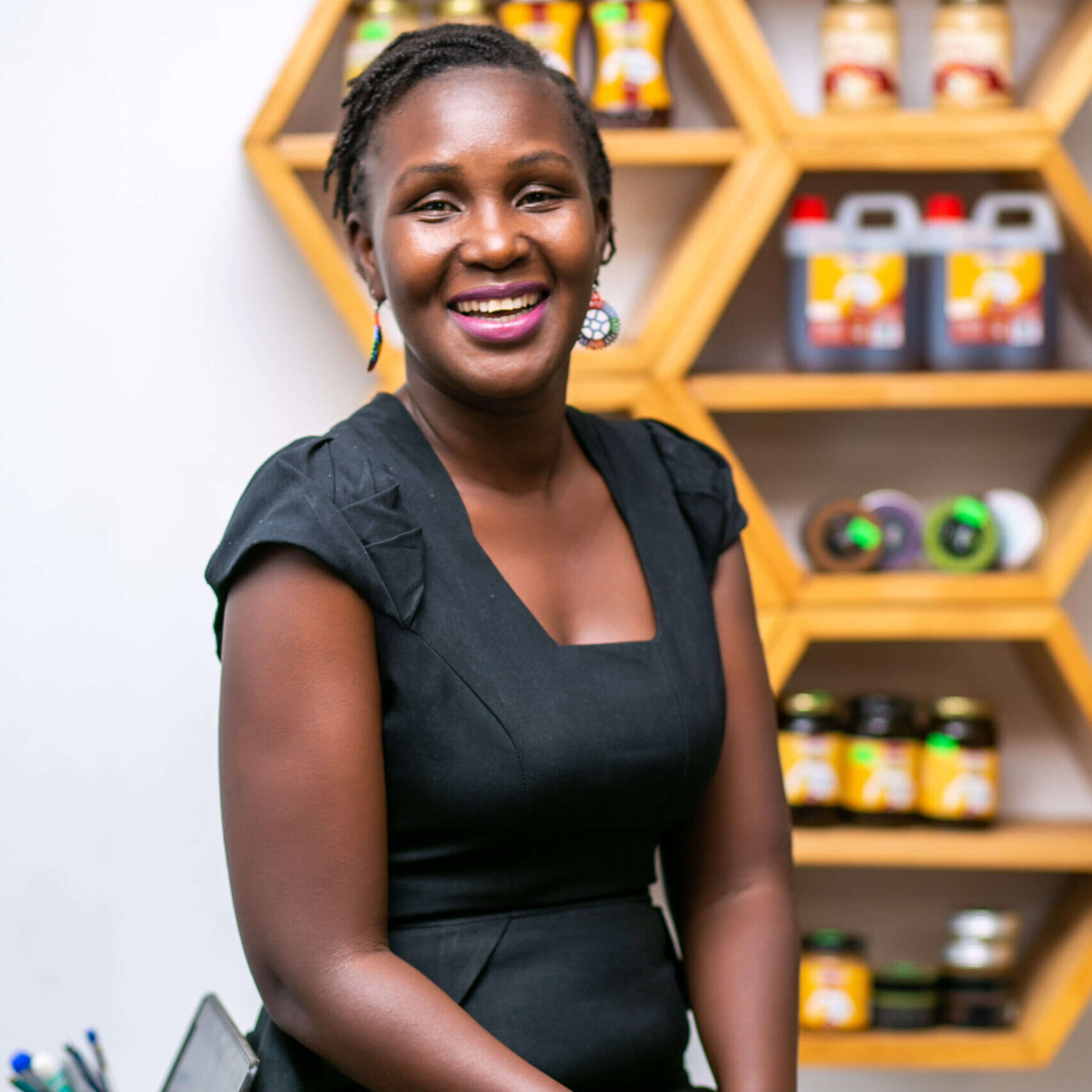
Western Silk Road is a woman-led social enterprise founded by Sandra Ejang Elobu in Uganda. Western Silk is an agribusiness enterprise operating under the brands Asali Wa Moyo Honey, Sweetheart Honey and Azza Naturals, working with a network of over 2,000 smallholder farmers to produce high-quality honey and other bee products. The social enterprise is addressing critical challenges faced by rural beekeepers – particularly women and youth – including low incomes, limited access to premium markets and weak value-addition systems in the apiculture sector. To tackle these issues, Western Silk Road has developed an integrated beekeeping and value-addition model that sources honey and bee products directly from farmer groups, provides training in sustainable and improved beekeeping practices and processes the products into traceable, eco-friendly honey and natural bee-based goods for local and regional markets.
Through RAMA Impact’s non-financial support, the enterprise will scale its impact by achieving a 30% increase in revenue, creating 3 additional jobs within the enterprise, securing at least 50% of its fundraising target, onboarding 50 additional women beekeepers into the network, increasing farmer incomes by 30% over the cycle, reducing post-harvest losses by 20%, training 100 new smallholder farmers (with at least 60% women), deploying 100 upgraded beehives across priority districts and establishing a digital traceability record for all farmers, over a period of 12 months.

Garbaliser
Lebanon
Read More

PigmentOCO
Tunisia
Read More
PigmentOCO is a woman-led social enterprise co-founded by Amal Chebbi in Tunisia. It has developed a proprietary waterless textile dyeing technology using supercritical CO₂ – eliminating toxic wastewater, removing the need for water, salts, and hazardous chemicals, and reducing the climate impact of textile value chain. Unlike existing CO₂ dyeing methods for synthetics, PigmentOCO’s innovation works on natural fibers, tackling one of fashion’s most polluting stages while improving worker safety by removing exposure to harmful chemicals, steam and hazardous fumes. Focusing on B2B partnerships with dyehouses and fashion brands, the enterprise offers both technology licensing and dyeing-as-a-service. This approach enables scalable, cost-efficient and eco-friendly production, setting a new benchmark for cleaner, safer and more sustainable fashion.
PigmentOCO will use RAMA Impact’s non-financial support to scale its impact by saving 5 million liters of water in the dyeing process, reducing the use of 1 ton of auxiliary chemicals, improving worker safety by eliminating exposure to harmful chemicals, steam and hazardous fumes, decreasing its environmental footprint by 15%, increasing its revenue by 20%, creating 3 additional jobs, and securing at least 50% of its fundraising goal over a period of 12 months.

FarmEdge Dynamics
Kenya
Read More
Ndogo Farms
Kenya
Read More
Ndogo Farms is a woman-led social enterprise founded by Elizabeth Wambui in Kenya. Ndogo Farms is redefining urban agriculture by transforming small spaces – balconies, rooftops and backyards – into thriving organic gardens. As Kenya’s cities expand, urban dwellers have become disconnected from food production, while aging rural farmers face growing pressure to feed the population using harmful inorganic fertilizers and pesticides. Ndogo Farms empowers city residents to become active food producers through the installation of eco-friendly raised beds, grow bags and vertical gardens made from biodegradable materials. By integrating AI-powered gardening assistance to detect pests and suggest organic solutions, the enterprise bridges technology, sustainability and community resilience. Their goal is to reduce urban food insecurity, improve access to healthy, organic produce and green city environments through composting and waste reduction.
Through RAMA Impact’s non-financial support, Ndogo Farms will expand its impact by achieving a 30% increase in revenue, creating 3 additional jobs and securing at least 50% of its fundraising target. The enterprise will install and maintain 2,000 grow bags, 800 vertical gardens and 200 raised beds across urban households, reaching 3,000 people with improved access to fresh, organically grown produce. In parallel, Ndogo Farms will train 1,000 individuals – particularly women and youth – in eco-friendly gardening, composting and organic farming techniques, while enabling 1,000 households to adopt composting practices that reduce plastic and food waste by at least 20%. Through digital awareness campaigns and tutorials on kitchen gardening, composting and sustainable food systems, the enterprise aims to reach 500,000 people online, demonstrating scalable urban agriculture solutions and contributing to greener, more resilient communities, over a period of 12 months.
Leukeather
Egypt
Read More
Leukeather is a woman-led social enterprise founded by Nuhayr Zein, offering a plant-based, ethical and emboss-free alternative to exotic leather for use in luxury interiors, furniture, fashion and automotive design. While exotic leather remains synonymous with luxury, it comes at a high ethical and environmental cost – animals are killed solely for their skins, biodiversity is threatened and toxic tanning chemicals pollute water and harm workers. Synthetic alternatives, meanwhile, create new problems through microplastic pollution and artificial embossing that mimics exotic textures but lacks authenticity. Leukeather
Through RAMA Impact’s non-financial support, Leukeather will expand it impact by achieving a 20% increase in revenue, create one additional job for migrant women within the enterprise, secure at least 50% of its fundraising target, reduce environmental footprint by 10% through improved sourcing and production, eliminate the need for 1,000 alligator skins, reducing pressure on endangered species, increase income for low-income migrant workers by 30%and boost seed production with 10% greater carbon-sequestering capacity, contributing to the growth of 3 million trees and 288,000 tons of CO₂ captured annually, over a period of 12 months.
Imani Collective
Kenya
Read More
Western Silk Road
Uganda
Read More
Western Silk Road is a woman-led social enterprise founded by Sandra Ejang Elobu in Uganda. Western Silk is an agribusiness enterprise operating under the brands Asali Wa Moyo Honey, Sweetheart Honey and Azza Naturals, working with a network of over 2,000 smallholder farmers to produce high-quality honey and other bee products. The social enterprise is addressing critical challenges faced by rural beekeepers – particularly women and youth – including low incomes, limited access to premium markets and weak value-addition systems in the apiculture sector. To tackle these issues, Western Silk Road has developed an integrated beekeeping and value-addition model that sources honey and bee products directly from farmer groups, provides training in sustainable and improved beekeeping practices and processes the products into traceable, eco-friendly honey and natural bee-based goods for local and regional markets.
Through RAMA Impact’s non-financial support, the enterprise will scale its impact by achieving a 30% increase in revenue, creating 3 additional jobs within the enterprise, securing at least 50% of its fundraising target, onboarding 50 additional women beekeepers into the network, increasing farmer incomes by 30% over the cycle, reducing post-harvest losses by 20%, training 100 new smallholder farmers (with at least 60% women), deploying 100 upgraded beehives across priority districts and establishing a digital traceability record for all farmers, over a period of 12 months.
Garbaliser
Lebanon
Read More
PigmentOCO
Tunisia
Read More
PigmentOCO is a woman-led social enterprise co-founded by Amal Chebbi in Tunisia. It has developed a proprietary waterless textile dyeing technology using supercritical CO₂ – eliminating toxic wastewater, removing the need for water, salts, and hazardous chemicals, and reducing the climate impact of textile value chain. Unlike existing CO₂ dyeing methods for synthetics, PigmentOCO’s innovation works on natural fibers, tackling one of fashion’s most polluting stages while improving worker safety by removing exposure to harmful chemicals, steam and hazardous fumes. Focusing on B2B partnerships with dyehouses and fashion brands, the enterprise offers both technology licensing and dyeing-as-a-service. This approach enables scalable, cost-efficient and eco-friendly production, setting a new benchmark for cleaner, safer and more sustainable fashion.
PigmentOCO will use RAMA Impact’s non-financial support to scale its impact by saving 5 million liters of water in the dyeing process, reducing the use of 1 ton of auxiliary chemicals, improving worker safety by eliminating exposure to harmful chemicals, steam and hazardous fumes, decreasing its environmental footprint by 15%, increasing its revenue by 20%, creating 3 additional jobs, and securing at least 50% of its fundraising goal over a period of 12 months.
FarmEdge Dynamics
Kenya